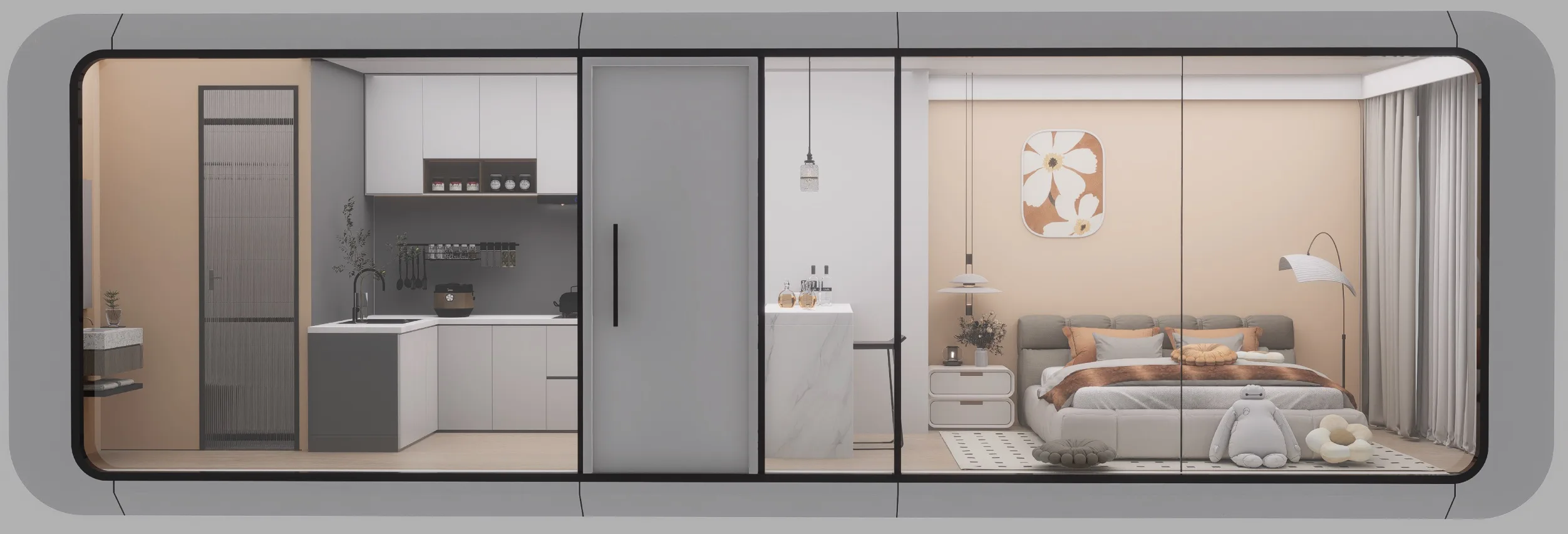
When a capsule home makes sense
Capsule homes suit buyers who want a refined self-contained space with a faster, more controlled build process. They are especially useful for guest suites, parent accommodation, premium rental cabins, and sites where a traditional build would be disruptive.
When a traditional granny flat may suit
A traditional build may suit highly customised permanent layouts, unusual site geometry, or projects where local planning, design, and construction teams are already engaged. It may also be preferred when the owner wants materials and detailing to match the existing house closely.
Approvals are not identical everywhere
Some areas have specific secondary dwelling rules, size limits, parking requirements, owner-occupier rules, private open space rules, or rental restrictions. Whether a capsule home is assessed as a secondary dwelling, relocatable structure, or another class depends on local requirements and the final project design.
Compare disruption and speed
Traditional construction can keep trades on site for longer and may create more noise, waste, and weather exposure. A modular capsule can shift more of the work into a controlled factory setting, but the site still needs foundations or supports, access, lifting, services, and final compliance checks.
Most common ProSpace fit
For family or guest-suite use, the one-bedroom model is usually the first comparison point. For shared family use, visiting children, carers, or rental flexibility, compare the two-bedroom model. A studio may be a better fit where the need is office, retreat, or occasional guest use rather than full independent living.
Questions to ask before deciding
Clarify who will use the space, how often it will be occupied, whether it needs a full kitchen or laundry, what privacy is required from the main house, how services will connect, and whether the priority is speed, customisation, rental flexibility, or long-term family accommodation.